Raspaw Pet Guide · Dog Care
Quick answer: A double-coated dog has a protective topcoat and dense undercoat, so a tool that merely skims the surface may miss loose undercoat. This guide focuses on brush double coated dog with gentle, coat-aware steps.
Work through the coat without pulling
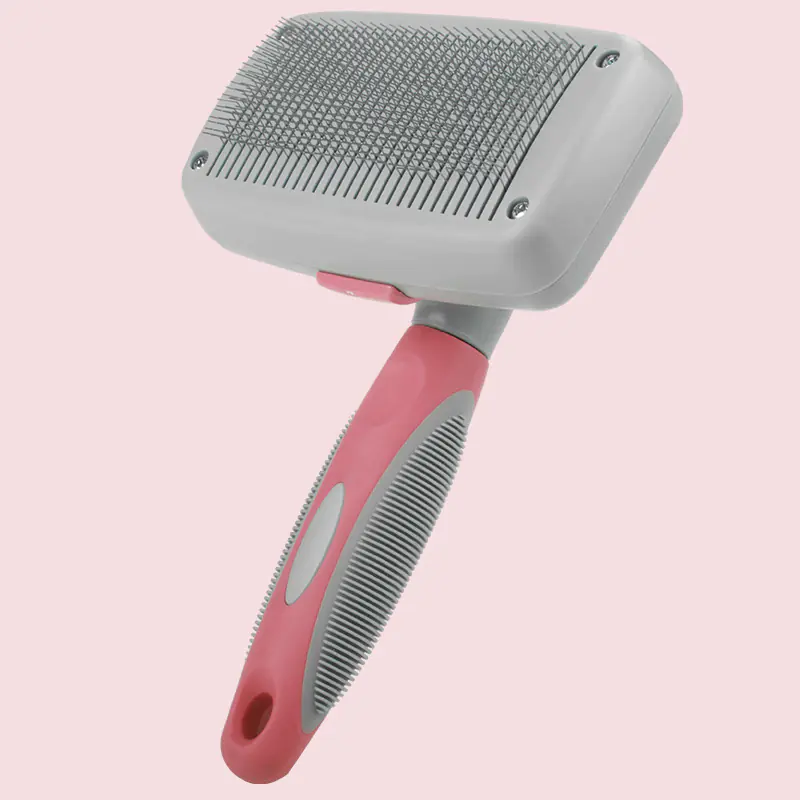
A double-coated dog has a protective topcoat and dense undercoat, so a tool that merely skims the surface may miss loose undercoat. Use a coat-appropriate brush and comb in small sections; pressure should be light enough that the skin is not scraped. Seasonal shedding can make brushing more frequent, but more force is not the solution to a resistant patch.
- Check behind ears, collar line, armpits, thighs, and tail where undercoat can pack down.
- Brush a small section and use a comb to confirm it is clear before moving on.
- Remove loose hair from the brush often so it does not drag across the skin.
- Use a quiet, non-slip area and stop when the dog shows sensitivity.
Separate surface hair from dense undercoat

Start with a dry coat free of debris. Brush in the direction hair grows, lift small sections to inspect the undercoat, then use a comb only where it moves without snagging. A rounded-tip comb example (paid link to Amazon) can help with that free-gliding check; it is not a tool for pulling packed undercoat or working through a mat. Avoid shaving a double coat solely to reduce shedding without veterinary or grooming advice; coat structure and skin protection vary.
Related: Read the full dog coat-care guide for the complete routine. See the optional comparison below and check the current listing details before choosing.
Optional product example to compare
The linked rounded-tip comb is only an optional check for loose fur where it glides freely. It does not replace a coat-matched undercoat brush and should not be used to pull packed hair, force a knot, or shave a double coat. This product has not been independently tested by Raspaw.
As an Amazon Associate I earn from qualifying purchases.