Raspaw Pet Guide · Cat Care
Quick answer: Litter-scoop storage works best when the scoop is not returned dirty to a closed container. This guide covers clean litter scoop storage with surface-aware, pet-conscious steps.
Clean the scoop before putting it away
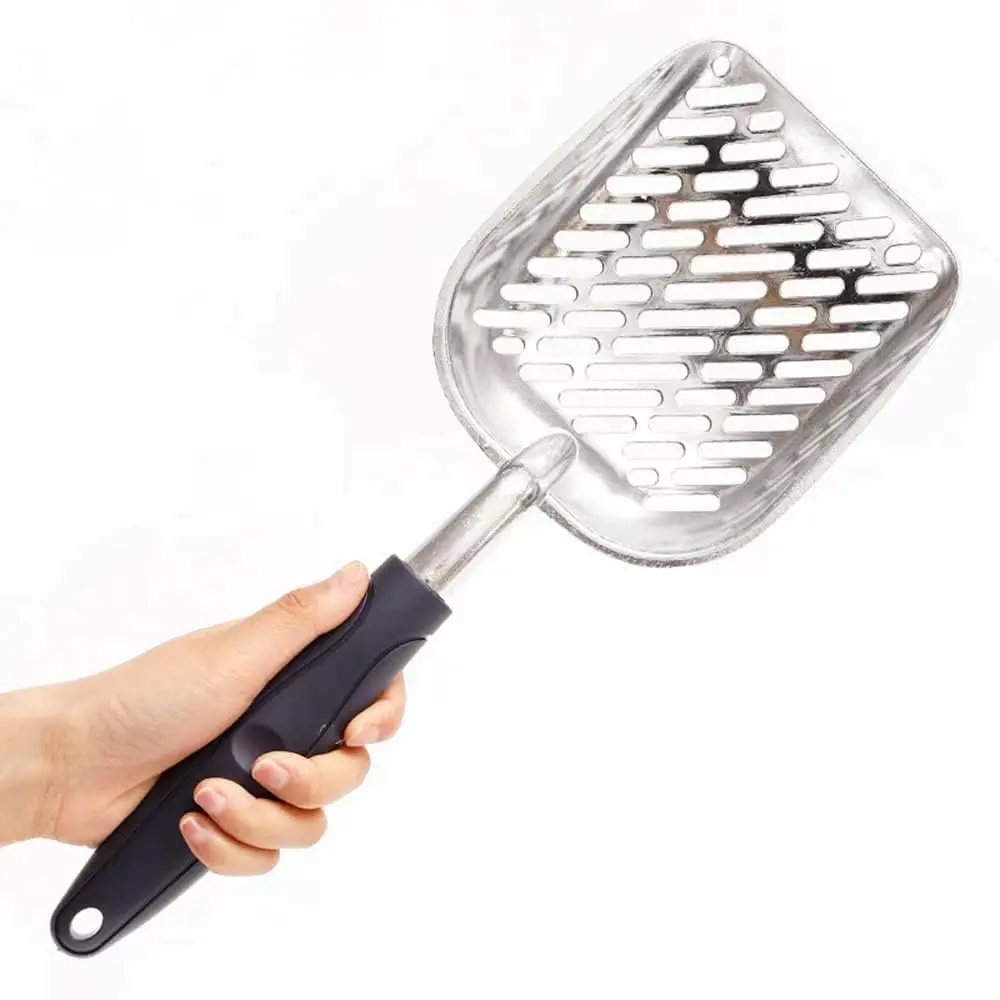
Litter-scoop storage works best when the scoop is not returned dirty to a closed container. Remove waste, wash the scoop and any holder on a regular routine, rinse it well, and allow it to dry. A dedicated scoop holder (paid link to Amazon) or small washable caddy can keep tools together, but a sealed wet holder can trap odor and residue.
- After scooping, remove visible litter and residue from the scoop.
- Wash the scoop and caddy using a method appropriate for the material; rinse and dry fully.
- Keep the holder off food surfaces and away from the cat's bowls.
- Empty or wash the holder if it gets damp, dusty, or visibly soiled.
Choose a holder that contains drips and stays dry

Place the caddy beside the litter area where adults can reach it but children and other pets cannot. Keep it separate from food-preparation tools and use a clearly designated cleaning brush. If the scoop has cracks or deep scratches that retain residue, replace it.
Optional scoop-and-holder example
A holder you already own may be sufficient if it can be cleaned and kept dry. If you need a matched set, Petmate Scoop N' Hide is a plastic scoop with a hinged storage stand. Compare the scoop openings with your litter and measure the available space before buying. The holder does not clean or disinfect the scoop; let both parts dry before storing them. Raspaw has not independently tested this item.
As an Amazon Associate I earn from qualifying purchases.