Raspaw Pet Guide · Cat Care
Quick answer: Grooming gloves vs combs for cats answer different needs. This guide focuses on grooming gloves vs combs cats with gentle, coat-aware steps.
Compare surface contact with coat inspection
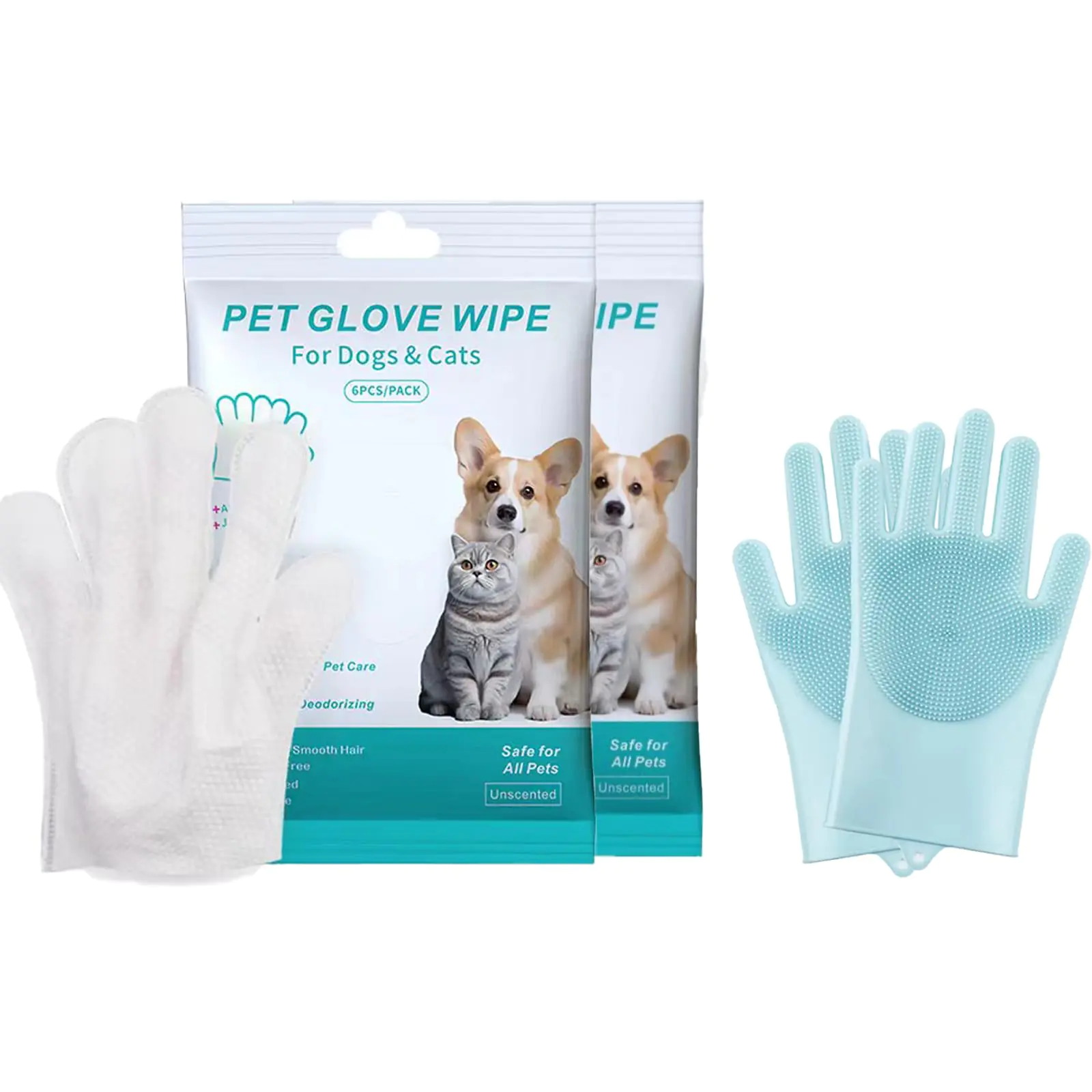
Grooming gloves vs combs for cats answer different needs. A glove follows the shape of your hand and can gather loose surface hair during petting; a comb helps inspect longer coats and locate small tangles. A rounded-tip metal comb example (paid link to Amazon) is one option to compare for careful inspection, while a glove may suit surface-hair collection better for some cats. For a short-haired cat that dislikes a brush, a glove may be less unfamiliar. A long-haired cat may still need a comb to check dense areas.
- Try each tool on the shoulder for a few seconds, one at a time, with a reward between trials.
- Check if the glove gathers surface fur without pulling; check if the comb glides through the coat without snagging.
- Use the glove for loose surface hair and a comb only for careful inspection where appropriate.
- Clean tools and store loose pieces away from cats.
Decide by coat length and cat comfort

The best choice is not the tool that removes the most hair in one pass. Consider whether you can use it gently, whether the cat accepts it, how easily it cleans, and whether it reaches the coat without catching skin. Some cats prefer no tool at all until they have gradually learned the routine.
Related: Read the full cat coat-care guide for the complete routine. See the optional comparison below and check the current listing details before choosing.
Optional product example to compare
This rounded-tip comb is an optional example for inspecting loose sections of a longer coat. It does not replace a glove for surface hair, and it should move without snagging. Stop if the cat resists or the comb catches. This product has not been independently tested by Raspaw.
As an Amazon Associate I earn from qualifying purchases.