Raspaw Pet Guide · Cat Care
Quick answer: If a cat walks away from brushing, treat that as useful feedback. This guide focuses on introduce cat brushing with gentle, coat-aware steps.
Change the setup before changing the tool
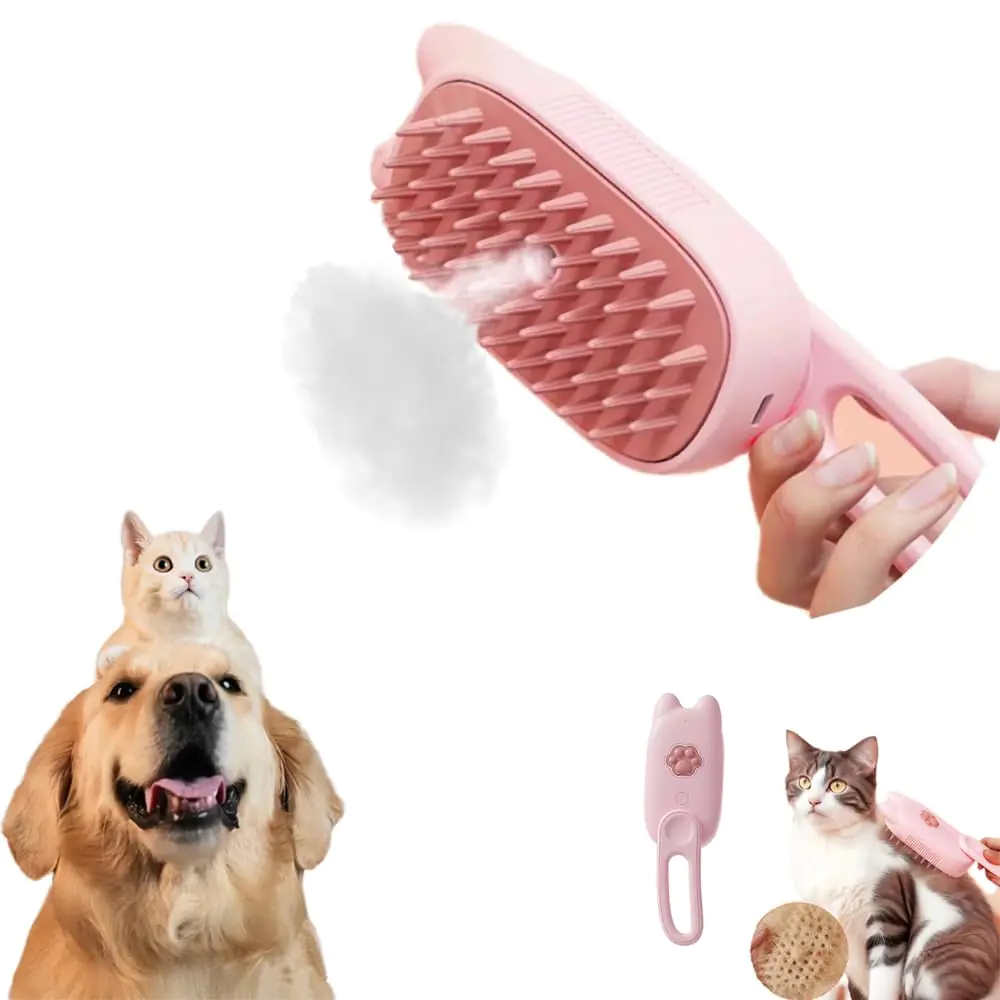
If a cat walks away from brushing, treat that as useful feedback. The brush may be unfamiliar, the location may feel exposed, or the session may be too long. Do not follow the cat around with the brush. Put the tool nearby and let the cat investigate while doing something pleasant, then introduce touch in tiny steps. One silicone brush example (paid link to Amazon) can be left nearby for voluntary inspection; do not use it until the cat chooses to stay.
- Place the brush on the floor near a familiar resting spot, handle pointed away, and let the cat approach.
- Reward a sniff or a relaxed look; next time touch the shoulder with the back of the brush.
- Try one gentle pass, reward, and end. Increase only if the cat stays loose and returns willingly.
- Choose a quiet time and stable surface; keep the cat's exit route open.
Build a short, voluntary brush routine

A calm start can be one brush pass followed by a reward, then a break. The goal of the first sessions is predictability, not collecting a full brush of fur. Use a soft brush or grooming glove only if the cat remains comfortable; stop before the cat has to leave to end the interaction.
Related: Read the full cat coat-care guide for the complete routine. See the optional comparison below and check the current listing details before choosing.
Optional product example to compare
This silicone brush is an optional texture to introduce gradually. Let the cat inspect it without touching first, then try one light stroke only if the cat remains relaxed. Stop when the cat moves away or shows discomfort; it is not for mats and may not suit every cat. This product has not been independently tested by Raspaw.
As an Amazon Associate I earn from qualifying purchases.