Raspaw Pet Guide · Cat Care
Quick answer: A litter waste-disposal station can make scooping easier when bags and a bin are within reach, contained, and separate from food areas. This guide covers litter waste disposal setup with surface-aware, pet-conscious steps.
Keep disposal supplies close but contained
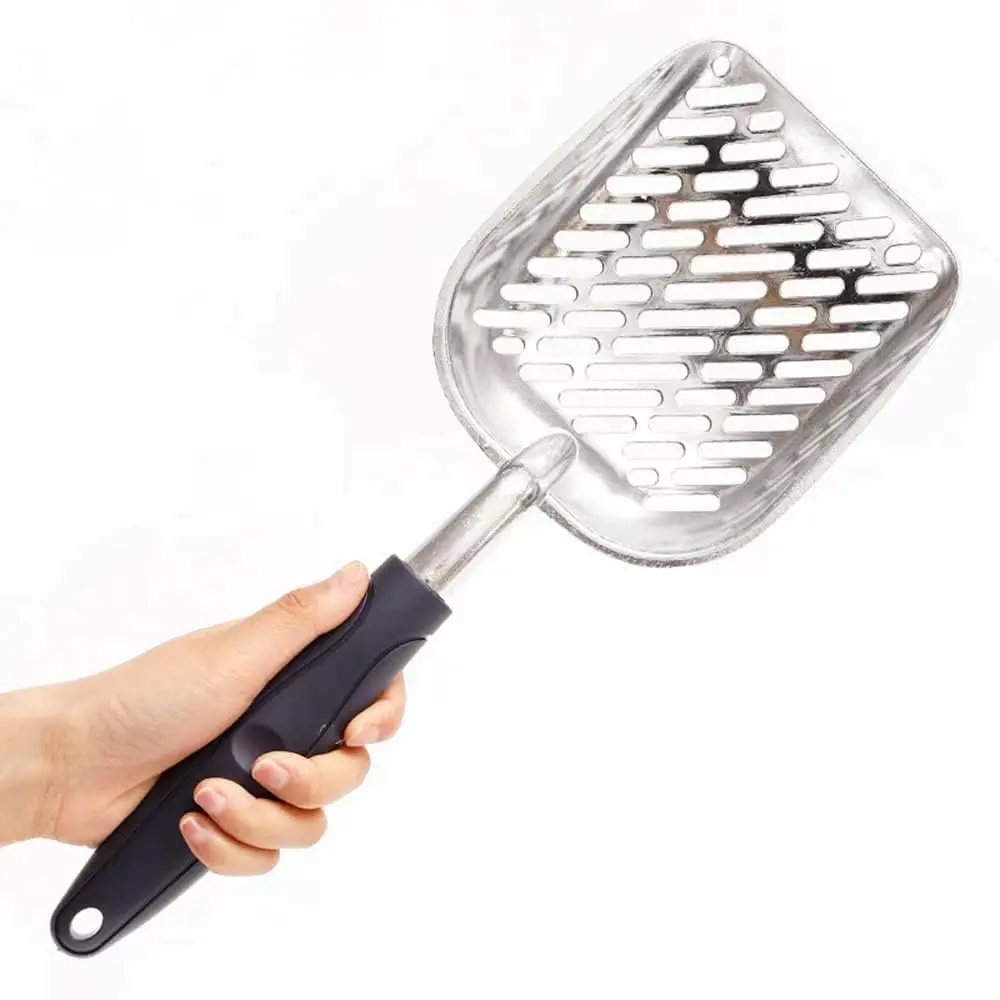
A litter waste-disposal station can make scooping easier when bags and a bin are within reach, contained, and separate from food areas. Choose a stable container with a lid (paid link to Amazon) that adults can open easily and pets cannot knock over. Keep the scoop dry and avoid piling waste where odor can build up.
- Place the bin on a washable surface beside, not inside, the cat's walking path.
- Keep bags, scoop, and cleaning cloth in a dedicated caddy.
- Close the bin after each use and empty before it is overfilled.
- Wash the bin if residue leaks; dry it fully before adding a liner.
Reduce odor by emptying and cleaning on schedule

For a small room, use a removable liner or washable bin only if the material and waste system allow it. Empty the bin according to its capacity and local disposal rules; a filter or scented insert does not replace regular emptying and cleaning.
Optional litter-waste pail example
A suitable lined bin you already own may meet this need. For a dedicated system, the Litter Genie Standard pail includes a Standard refill cartridge, scoop, and holder. Check the current 9.5 × 8.5 × 17 in footprint and allow room to open and empty it. Refill cartridges create an ongoing cost, so check compatibility and replacement costs as well as the pail price. Follow the setup, bag-cutting, and cleaning instructions; keep bags and any cutting tools away from children and pets. Empty the pail as needed rather than relying on an advertised number of days. Raspaw has not independently tested it.
As an Amazon Associate I earn from qualifying purchases.